
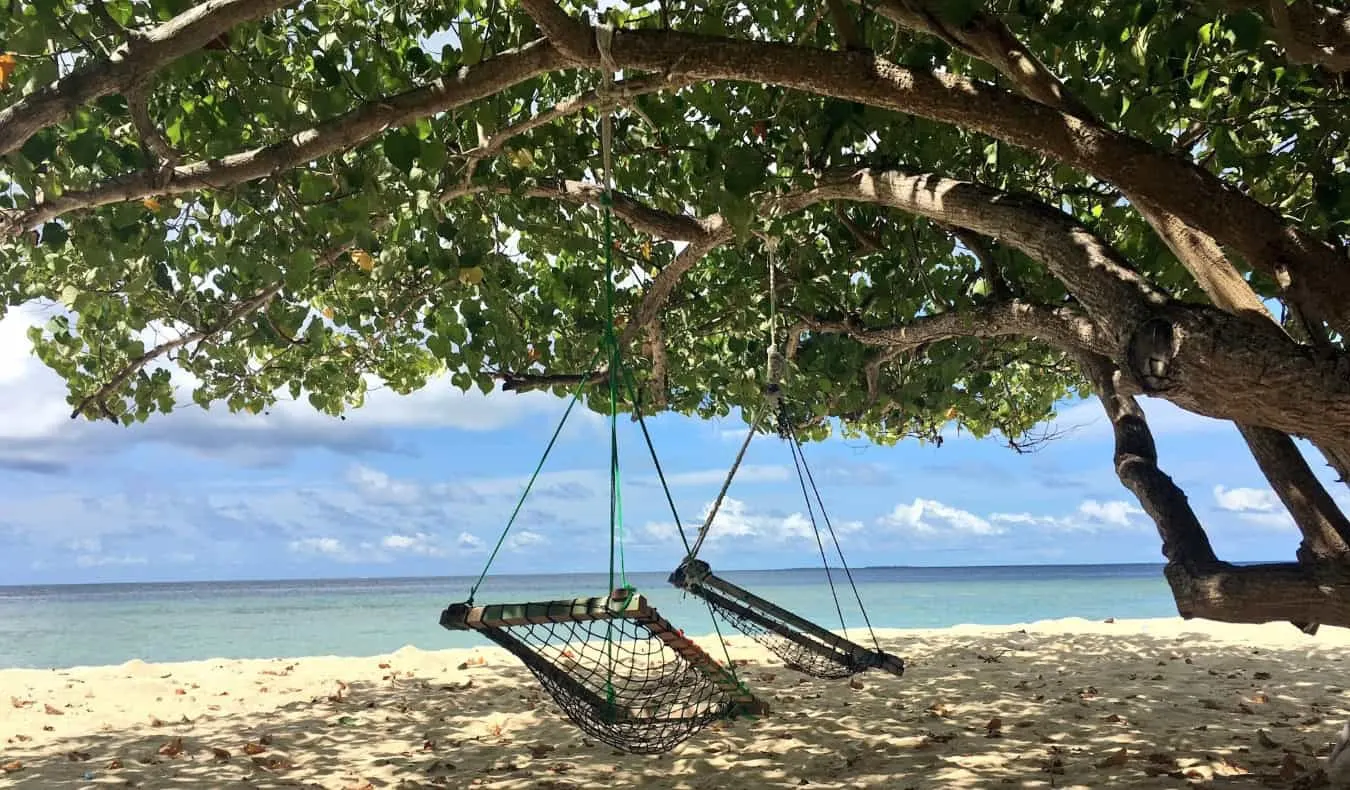
For years, the Maldives meant one thing: expensive resorts. That changed when local islands opened to guesthouse tourism. Today, travelling the Maldives on a budget is not only possible but popular, with thousands of visitors each year staying in guesthouses, eating at local cafés and joining shared trips. This guide breaks down the real costs, explains the extras that catch people out and shares tips to make your money go further.
For the background on how this happened, read how the Maldives became surprisingly affordable.
The big picture
A budget trip to the Maldives on local islands typically has five main costs:
- Accommodation
- Food and drink
- Transfers
- Excursions
- Taxes and extras
Flights to the Maldives are a separate cost and vary hugely depending on where you fly from and when.
The figures below are rough guides only, to help you compare. Prices change with the season, the island and the business, so always check current prices when you book.
1. Accommodation
Guesthouses on local islands range from simple rooms to stylish boutique hotels. As a rough guide:
- Budget: simple double rooms with air conditioning and a private bathroom, often at prices comparable with mid-range hotels in other Asian destinations.
- Mid-range: newer guesthouses with sea views, nicer decor and better breakfasts.
- Boutique: small hotels with pools, rooftop terraces and premium service, still far cheaper than resorts.
Prices are usually higher in the peak season, roughly December to April, and lower from May to November. Booking directly with owners can save on commission. Browse stays on Holiday Atolls to compare and contact hosts directly.
Local rates
Maldivians and work-permit holders often pay lower local rates, usually in rufiyaa. Read local rates, explained.
2. Food and drink
Food costs depend on where and what you eat:
- Local cafés: Maldivian meals such as fried rice, curries, noodles and short eats are affordable.
- Tourist restaurants: pizzas, burgers and Western dishes cost more.
- Guesthouse meal plans: half or full board can be convenient and good value, especially on small islands with few restaurants.
- Drinks: water, soft drinks and fresh juices are widely available. Alcohol isn't sold on local islands.
Try Maldivian food. It is cheaper, fresher and delicious. Read our Maldivian food guide for dishes to order.
3. Transfers
This is often the biggest surprise. Getting between the airport and your island, and between islands, can add up quickly.
- Public ferry: very cheap, but slow and limited. Mostly no service on Fridays.
- Shared speedboat: moderate. Prices rise with distance.
- Private speedboat: expensive unless shared by a group.
- Domestic flight: needed for far atolls; costs more but saves time.
Read speedboat, ferry or seaplane to compare, and our guide to Maldives public ferries if you want to save the most.
Transfer-saving tips
- Choose islands close to Malé, like Maafushi or Thulusdhoo.
- Stay longer on fewer islands, so you pay for fewer transfers.
- Use the ferry when timing works.
- Travel with others to share private boats.
4. Excursions
Excursions are where many people spend most of their budget, and they are often worth it. Typical options:
- Snorkelling trips: affordable, often half a day.
- Sandbank picnics: moderate, depending on lunch and distance. Read sandbank picnics: the how-to.
- Dolphin cruises and night fishing: among the cheapest trips.
- Whale shark and manta trips: more expensive, but unforgettable.
- Diving: try dives and courses are a bigger investment.
- Resort day passes: a treat, often including lunch and transfers.
Choose one or two "big" experiences and fill the rest of your days with free beach time and cheaper trips.
5. Taxes and extras
Visitors to the Maldives pay several taxes and charges that are sometimes not included in advertised prices:
- Tourism goods and services tax (T-GST): added to tourist services such as accommodation and trips.
- Green tax: a per-person, per-night charge for visitors.
- Service charge: some businesses add a service charge.
- Airport departure tax: usually included in your flight ticket.
Rates are set by the government and can change. Always ask whether prices include taxes, especially when comparing guesthouses.
A sample budget day
Here is how a typical budget day on a local island might look:
- Breakfast: included with your room.
- Morning: free time on the bikini beach.
- Lunch: fried rice or curry at a local café.
- Afternoon: half-day snorkelling trip.
- Evening: sunset walk, then dinner at the guesthouse or a café.
On some days, add a bigger trip; on others, spend almost nothing beyond food.
Where budget travellers overspend
- Booking a trip every single day.
- Moving islands too often and paying for many speedboats.
- Eating Western food at every meal.
- Arriving late and needing a private speedboat.
- Not checking whether taxes are included.
Money-saving tips
- Travel in the shoulder or low season. Read when to go: month by month.
- Book directly with guesthouses and local operators.
- Stay three nights or more on each island.
- Snorkel from the beach where it's safe and allowed.
- Bring your own mask and snorkel.
- Carry a refillable water bottle; many guesthouses offer refills.
- Stock up in Malé or Hulhumalé on sunscreen and snacks, which cost more on small islands.
- Use cash wisely. Read money in the Maldives for exchange tips.
Budget itineraries
For a ready-made plan, read 10 days, 3 islands, small budget. It combines a lively island, a quiet island and a surf island, with transfer tips to keep costs down.
Is a budget trip worth it?
Absolutely, if you go in with the right expectations. You won't get an overwater villa or a private beach, and you will follow local customs on dress and alcohol. But you will get the same turquoise water, the same reefs and marine life, genuine hospitality and a real connection with Maldivian life, for a fraction of the cost. Many visitors say the local-island experience was the highlight of their trip.
Mixing budget and luxury
Some travellers spend most of the trip on local islands and finish with one or two nights at a resort. This gives you the best of both: affordable days exploring, then a splurge at the end. Plan the resort for the last nights so you leave relaxed.
Budget travel for residents
For Maldivians and residents, island breaks can be very affordable with local rates, ferry travel and shared trips. A weekend on a nearby island can cost less than a night out in some cities. Read 8 weekend escapes from Malé.
Budget myths
"You can't do the Maldives cheaply."
You can. Local islands changed the game. Many visitors spend far less than they expected.
"Local islands aren't as beautiful."
The water, reefs and sandbanks are the same. Bikini beaches on islands like Ukulhas and Dhigurah are as stunning as many resort beaches.
"There's nothing to do without a resort."
Local islands have more variety, with snorkelling, diving, fishing, dolphin cruises, sandbanks and cultural experiences.
Budget checklist
- Decide on two or three islands, not five.
- Check whether prices include taxes and breakfast.
- Plan transfers around ferry days and flight times.
- Choose one or two premium trips and keep the rest simple.
- Eat local and drink refilled water.
- Carry some cash for small purchases and tips.
Sample trip budgets
Every trip is different, but these patterns help you think about where the money goes:
- Backpacker style: a simple room, local cafés, the public ferry and two or three affordable trips such as snorkelling and night fishing. The lowest-cost way to see the Maldives.
- Comfortable mid-range: a nicer guesthouse with sea views, a mix of local and tourist restaurants, shared speedboats and one big trip such as whale sharks or a dive.
- Local-island splurge: a boutique guesthouse, private trips, a resort day pass and speedboats throughout. Still often less than a few nights at a mid-range resort.
Booking ahead versus on arrival
Book accommodation and airport transfers before you arrive, especially in high season. Excursions can usually be booked once you are on the island, which lets you check the weather, compare prices on the guesthouse boards and talk to other guests about their trips. The exception is whale shark and manta trips in peak months, which can fill up, so ask your host to reserve a place.
The short version
The Maldives on a budget is real. Stay in guesthouses on local islands, eat Maldivian food, use ferries and shared speedboats wisely, pick a few special trips and always check what taxes are included. You will see the same paradise as resort guests, meet the people who live there and come home with money left over.
Questions
Can you visit the Maldives on a budget?
Yes. Staying in guesthouses on local islands, eating at local cafés and joining shared trips makes the Maldives far more affordable than a resort holiday.
What is the biggest cost on a budget trip?
Often transfers. Speedboats and domestic flights add up, especially if you visit several islands. Accommodation and excursions are the other big costs.
Are taxes included in guesthouse prices?
Not always. Visitors usually pay tourism tax and a per-night green tax. Ask whether quoted prices include them.
Is food expensive on local islands?
Local cafés are affordable, especially for Maldivian dishes. Western food and imported goods cost more, and prices on small islands can be higher than in Malé.
Keep reading
Tips
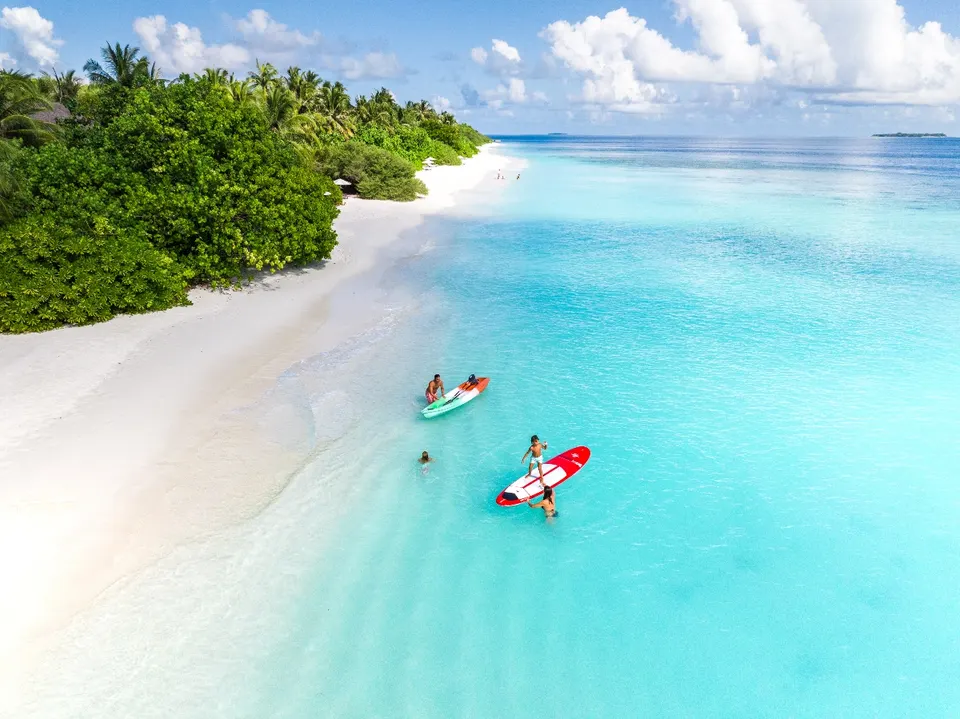
When to Go: Month by Month
Sunny and dry, or green and wild? Here's what the weather, sea and wildlife are like each month in the Maldives, so you can choose your dates.
Tips
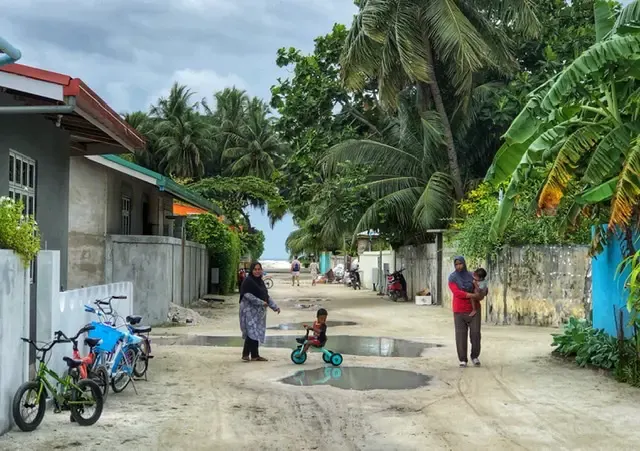
Island Life: Customs to Know
Behind the beaches is a living island culture. Here's what daily life is like on a local island and the customs that help you fit in.
Tips
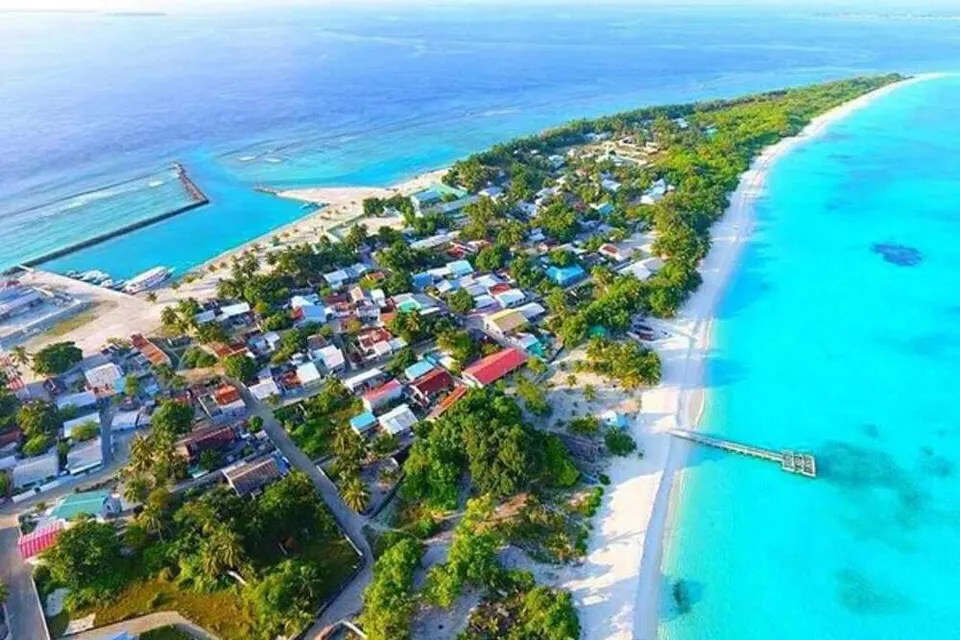
Dhidhdhoo: The Ultimate Guide to the Northern
Everything you need to know about traveling to Dhidhdhoo using the Raajje Transport Link (RTL), exploring the island’s culture, and navigating the northernmost reaches of the Maldives.