
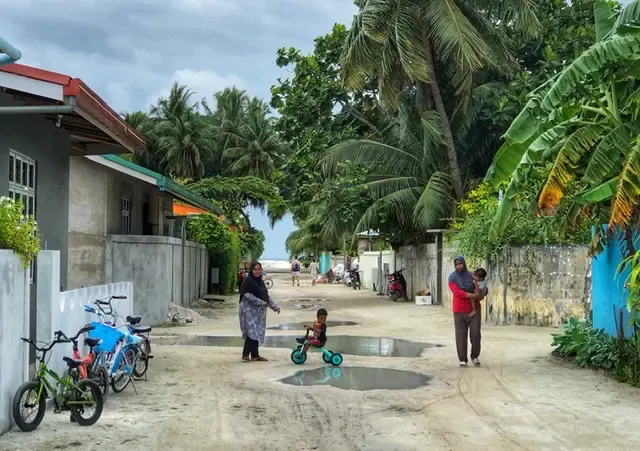
The Maldives is famous for its beaches, but the heart of the country is its people. On inhabited islands, life follows a rhythm shaped by faith, the sea and close-knit communities. Staying in a guesthouse lets you experience Maldives local culture first-hand: the call to prayer at dawn, fishing boats returning at dusk, children playing football in the sandy streets and families chatting on swing chairs late into the evening. This guide introduces daily island life and the customs that will help you feel at home.
A nation of islands
The Maldives has around 190 inhabited islands spread across 26 natural atolls. Some are home to a few hundred people; others, like Malé, to many thousands. Each island has its own personality, but most share common features: a mosque, a school, a health centre, a harbour, small shops and an island council. Communities are tight-knit, and people often know everyone on the island.
For a look at some of the country's distinctive islands, read our guides to Fuvahmulah, Utheemu and Addu City.
Faith and daily rhythm
The Maldives is a Muslim nation, and Islam shapes daily life. The call to prayer, heard five times a day from the island's mosques, marks the hours. Shops and cafés may close briefly during prayers. Friday is the holy day, with congregational prayers around midday, and mornings are quiet across the country.
As a visitor, you are not expected to take part, but showing respect is important: dress modestly in the village, keep noise down near mosques and avoid walking in front of people praying.
Language
The national language is Dhivehi, written in a unique script called Thaana, which is read from right to left. English is widely spoken, especially by younger people and in tourism. A few words of Dhivehi go a long way:
- Assalaamu alaikum: peace be upon you (a respectful greeting).
- Kihineh? How are you?
- Rangalhu: good, fine.
- Shukuriyaa: thank you.
- Aan / Noon: yes / no.
- Varah meeru: very tasty (a great compliment for your host's cooking).
The sea at the centre
For centuries, Maldivian life has depended on the sea. Fishing, especially pole-and-line tuna fishing, is a proud tradition. Traditional wooden boats called dhonis were built by hand and are still used for fishing and transport. Watch the harbour in the late afternoon as boats return, and you will see how central the sea is to island life. Read sunset fishing, Maldivian style to try it yourself.
Bodu beru: the big drum
Bodu beru, meaning "big drum", is the best-known Maldivian music. Drummers beat large drums made from coconut wood and stingray or goat skin, while singers chant and dancers move faster and faster as the rhythm builds. It is performed at celebrations, national holidays and sometimes for guests at guesthouses and resorts. If you hear drumming in the evening, follow the sound.
Some islands, such as Fulidhoo, are known for their bodu beru groups. Read Fulidhoo and Felidhoo: quiet Vaavu.
Joali and evening life
One of the most charming sights on local islands is the joali: a chair made of netting strung on a wooden frame, like a hammock-seat. Joalis line beaches, harbours and front yards, and in the evening, people gather on them to chat, watch the sea and catch the breeze. Feel free to sit on public joalis on the beach; it is a great way to meet people.
Food and hospitality
Hospitality is a strong value. Guests are offered tea and short eats, and visitors are often invited to try local dishes. Accept graciously. Read our Maldivian food guide to know what you are tasting.
Family and community
Family is central to Maldivian life. Extended families often live close together, and children are cherished by the whole community. Weddings, births and religious holidays bring everyone together. During Eid, islands celebrate with prayers, visits, food and games. Read planning an Eid island break.
Customs for visitors
Dress
Cover shoulders and knees in the village. Swimwear is for the bikini beach, sandbanks and boats. Read bikini beaches and island rules.
Alcohol
Not allowed on local islands.
Affection
Keep it discreet in public.
Photography
Ask before photographing people, especially women and children. Many people are happy to pose if asked politely.
Mosques
Non-Muslims generally don't enter mosques on local islands unless invited. Admire them from outside, and keep quiet nearby.
Homes
If invited into a home, remove your shoes at the door.
Right hand
Use your right hand for eating, giving and receiving.
Ramadan
Don't eat, drink or smoke in public during daylight. Read travelling during Ramadan.
Island games and sport
Football is hugely popular, and almost every island has a pitch where young people play in the evening. Volleyball and traditional games are common too. Visitors are often welcome to watch, and sometimes to join in. Bashi, a traditional game played by women with a racket and ball, may be played during festivals.
Crafts
Traditional crafts include lacquer work (liyelaa jehun), mat weaving (thundu kunaa) using local reeds, and woodwork. Some islands are known for particular crafts. Look for handmade souvenirs in local shops, and buy directly from makers when possible to support the community.
History in brief
The Maldives has a long history as a trading nation on Indian Ocean routes. Buddhism was practised before the islands converted to Islam in the 12th century. The country was a sultanate for centuries, briefly occupied by the Portuguese in the 16th century, later a British protectorate, and gained independence in 1965. It became a republic in 1968. Independence Day is celebrated on 26 July. Read Utheemu: a journey to the cradle of Maldivian history to learn about one of the country's national heroes.
Environment and island life
Islands are low-lying and vulnerable to rising seas and climate change. Many communities are working to protect reefs, manage waste and reduce plastic. As a visitor, you can help by using less plastic, keeping beaches clean and choosing responsible operators. Read preserving our islands: how your choices make a difference.
Meeting people
The best way to experience local culture is simply to talk to people. Chat with your guesthouse host, the boat crew, café owners and families on the joalis. Ask about their island, their families and their favourite foods. Most people are curious about visitors and happy to share stories.
For residents
If you work in the Maldives but come from elsewhere, visiting local islands on weekends is a wonderful way to understand the country beyond Malé. Local rates make it affordable. Read local rates, explained and 8 weekend escapes from Malé.
Weddings and celebrations
Maldivian weddings are often small, family-centred affairs, followed by gatherings where food is shared generously. Births, the end of Quran studies and national holidays also bring communities together. If your stay coincides with a celebration, you may hear music, see decorations or even be invited to join. A smile, modest dress and a willingness to try the food are all you need.
Island councils and community work
Each inhabited island has an elected council that manages local matters, from roads and waste to harbour repairs and community events. Many islands also have active youth groups, women's committees and sports clubs. You may see volunteers cleaning beaches or planting trees. These groups are the backbone of island life, and guesthouse tourism often supports their work through local jobs and spending.
Island time
Life on local islands moves at its own pace. Boats wait for cargo, shops close for prayers and plans change with the weather. Visitors who relax into this rhythm, rather than fighting it, usually enjoy their stay most. Build flexibility into your days, smile when things run late and remember that nobody is in a hurry here. It is part of what makes island life so restful.
Small courtesies that matter
- Greet people when you pass them on quiet island paths.
- Ask before entering private gardens or yards.
- Take your rubbish with you, and pick up any you see on the beach.
- Ask your host about local customs if you are unsure; they will be glad you asked.
- Say thank you, in Dhivehi if you can: "shukuriyaa".
The short version
Maldives local culture is warm, faith-centred and closely tied to the sea. On a local island, you will hear the call to prayer, see fishing boats at dusk, maybe catch the sound of bodu beru and be offered more tea than you can drink. Dress modestly, respect prayer times, learn a few Dhivehi words and take time to talk to people. That is how a beach holiday becomes a real journey.
Questions
What language is spoken in the Maldives?
The national language is Dhivehi, written in Thaana script. English is widely spoken, especially in tourism, government and schools.
What is bodu beru?
Bodu beru means “big drum”. It is traditional Maldivian drumming and dance, performed at celebrations and sometimes for visitors.
What happens on Fridays in the Maldives?
Friday is the holy day and part of the weekend. Mornings are quiet, with congregational prayers around midday. Most public ferries don't run.
How should I greet people?
“Assalaamu alaikum” is a respectful greeting. “Kihineh?” means “How are you?” and “Shukuriyaa” means “Thank you”.
Keep reading
Tips
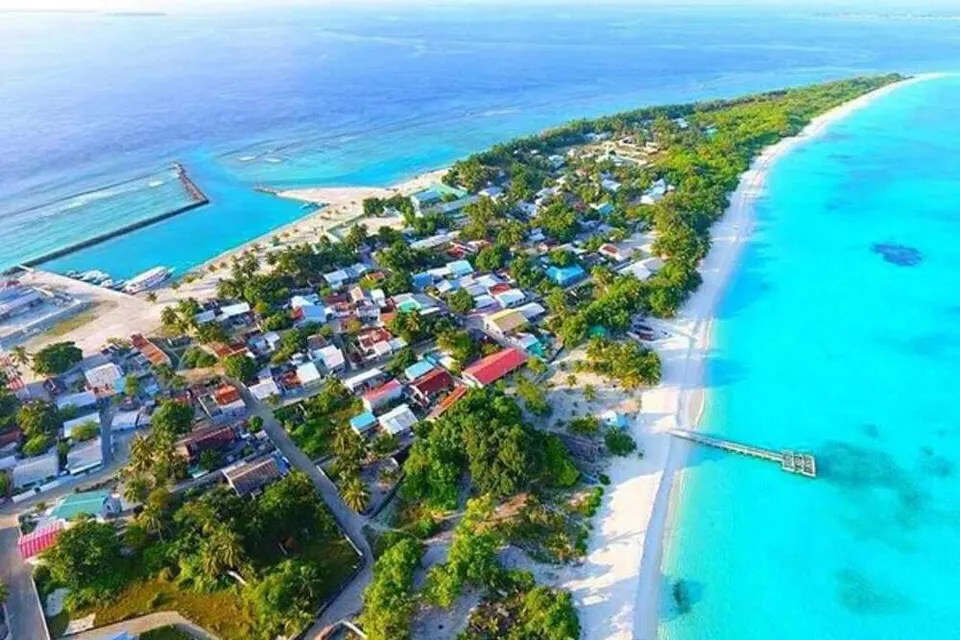
Dhidhdhoo: The Ultimate Guide to the Northern
Everything you need to know about traveling to Dhidhdhoo using the Raajje Transport Link (RTL), exploring the island’s culture, and navigating the northernmost reaches of the Maldives.
Tips
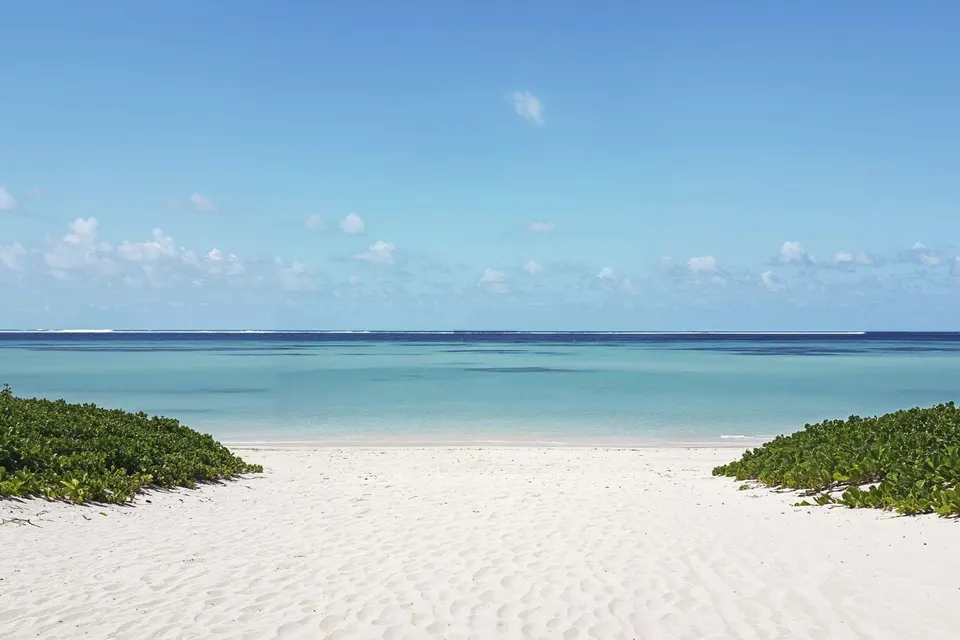
Preserving Our Islands: How Your Choices Make a Difference
The Maldives is world-famous for its turquoise waters, coral reefs, and white-sand beaches. Beyond luxury resorts, local islands now welcome travelers seeking authentic experiences, cultural connection, and meaningful travel.
Tips
Free Listing for Maldives Stays & Experiences
Running a guesthouse or local experience in the Maldives means competing for visibility while keeping costs under control.